
The High-Stakes Gamble: “Dice of Kalma” Redefines Roguelike Strategy in Early Access










Popular Now
 Stumble Guys
 Auto X Drift Racing 3
 Fall Guys
 God of War Ragnarök
NBA 2K24
Counter-Strike 2
God of War Ragnarök
NBA 2K24
Counter-Strike 2
 Black Myth: Wukong
League of Legends
Black Myth: Wukong
League of Legends
 Among Us
 R.E.P.O
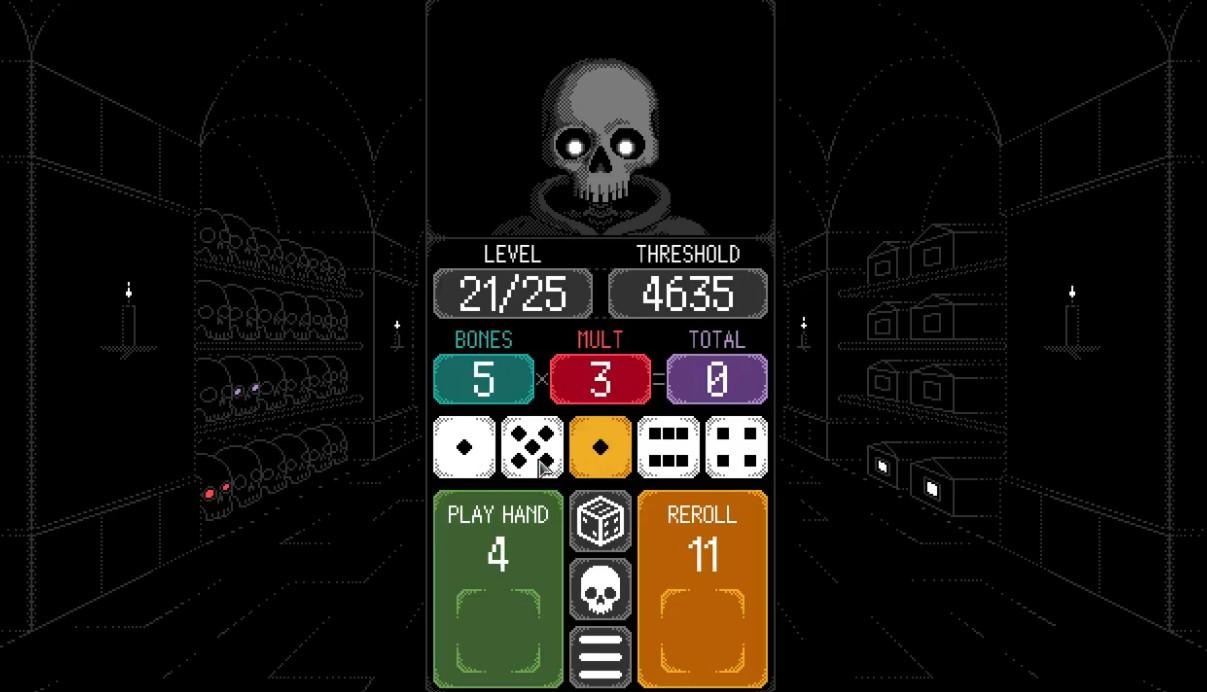 The Critical Nexus: Early Impressions of “Dice of Kalma” and Its Market Potential
The indie gaming scene continues to be a crucible for innovation, particularly within the notoriously competitive roguelike and turn-based strategy genres. The recent entry into Early Access, “Dice of Kalma”, has quickly captured attention, not just for its engaging gameplay loop but for its audacious approach to blending deep, risk-reward mechanics with a compelling, dark fantasy aesthetic. This review delves into the core of the game’s design, analyzing its strategic depth, current execution, and, perhaps most importantly for stakeholders, its inherent monetization strategy analysis potential within the saturated digital marketplace.
At its heart, “Dice of Kalma” is a synthesis of deck-building, tactical grid movement, and a revolutionary dice-roll system that serves as the primary engine for all player actions. Unlike traditional systems where dice merely determine damage, here, the dice pool dictates everything from movement and resource generation to the deployment of powerful character abilities. This integration ensures that every turn is a deliberate, high-stakes gamble, elevating the game beyond mere statistical probability into a realm of genuine tactical decision-making.
Gameplay Mechanics: A Calculated Roll of the Dice
The game structure follows the established roguelike pattern: permadeath, procedural generation, and incremental progression via metagame unlocks. However, the execution within combat is where “Dice of Kalma” truly shines. The board is a small, claustrophobic arena, forcing immediate engagement. Players manage a hand of character-specific cards—representing attacks, buffs, or debuffs—that are activated by matching symbols rolled on a set of six unique dice. The key loop involves:
- Rolling and Rerolling: Players have limited rerolls, forcing them to weigh the immediate benefit of a current roll against the potential for a catastrophic outcome on the next.
- Symbol Matching: Cards require specific symbol combinations (e.g., two Swords, one Shield). Effective play involves strategically “locking” desired dice and rerolling the rest.
- Positioning and Synergy: Movement is costly, often requiring a dice roll itself. Positioning is crucial for maximizing area-of-effect abilities and avoiding enemy choke points.
This core mechanic inherently addresses the issue of stale turn-based combat by introducing a layer of unpredictable, yet manageable, chaos. This variable element is critical for ensuring a premium gaming experience that warrants continuous player investment and exploration.
The Strategic Depth: High Conversion Rate Gaming Potential
From a commercial standpoint, the design of “Dice of Kalma” suggests a strong understanding of what drives high conversion rate gaming. The difficulty curve is steep but fair, meaning failure is often met with the realization of a poor tactical choice, not random happenstance. This drives the “one more run” mentality, a cornerstone of high lifetime value players in the genre.
Current State of Early Access: The Early Access build introduces three distinct characters, each with vastly different card pools and starting dice sets. The variance in playstyles—from the tanky, shield-focused Warrior to the high-damage, glass-cannon Sorceress—provides significant replay value. The game’s current weaknesses lie in the lack of environmental variety and a slightly sparse pool of late-game enemies, typical for a title at this stage of development. However, the developers have outlined a clear and ambitious roadmap:
- New Biomes and Environmental Hazards (Q1 2026)
- Introduction of the “Fate” System for meta-progression adjustments
- A dedicated PvP/Challenge Mode
- Further integration of community feedback for balance adjustments
Visuals, Audio, and Narrative Cohesion
Visually, the game utilizes a grim, high-contrast pixel art style that perfectly captures the “dark fantasy” brief. The enemy designs are grotesque and memorable, reminiscent of classic titles while maintaining a distinct identity. The audio design—sparse, heavy ambient tracks punctuated by satisfying, weighty dice-roll sound effects—reinforces the feeling of solitude and looming threat. The narrative is currently delivered in fragmented lore snippets discovered between runs, hinting at a deep and tragic world defined by the capricious power of the titular Kalma.
The aesthetic cohesiveness of the title is a powerful asset, contributing to a lower cost per acquisition (CPA) because the game’s unique look makes it highly marketable and instantly recognizable in promotional material.
Conclusion: A Must-Watch in the Strategy Space
“Dice of Kalma” is far more than just another roguelike. It is a carefully engineered strategic experience that leverages the excitement of chance to create deep, thoughtful gameplay. The game is already exhibiting the characteristics of a sleeper hit: a strong core mechanic, a challenging difficulty, and a clear path for expansion. For fans of difficult, rewarding strategy games, this title is an essential Early Access purchase. The developers have laid a strong foundation that, with continued refinement and content additions, promises to be one of the definitive tactical RPGs of the next few years, setting a new benchmark for strategic depth video game design.
Disclaimer: This review is based on the current Early Access build (v0.8.4). Game features and balance are subject to change before the official full release.